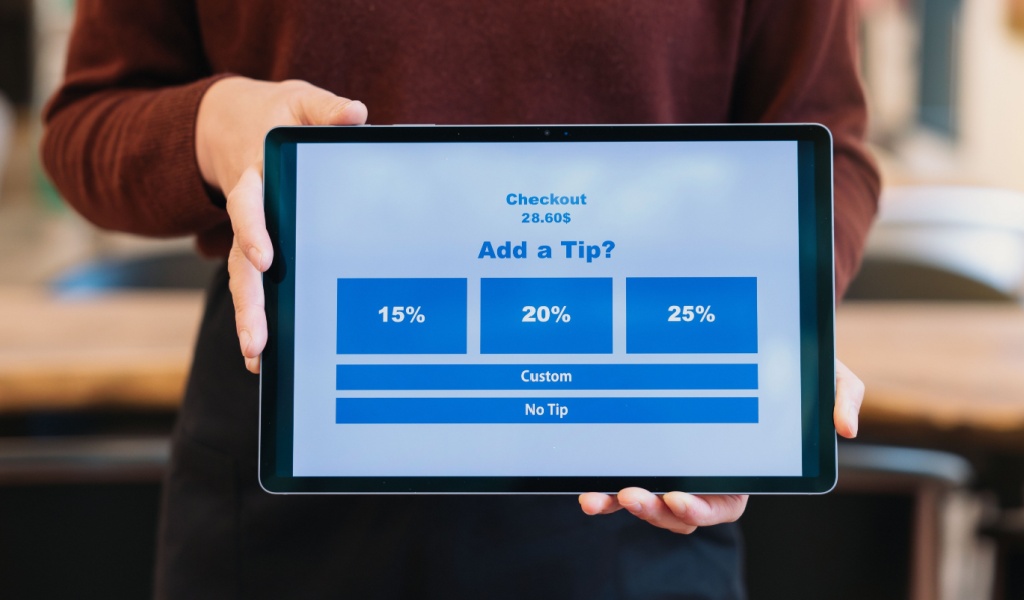
Have you ever grabbed a coffee, scanned your card, and a screen suddenly appeared asking if you’d like to leave a tip of 20%, 25%, or even 30%? If so, welcome to the world of tipflation.
Tipflation is a growing trend that’s changing the way consumers pay for everyday services. Tipping has traditionally been a way to express gratitude for someone’s great service. But today’s endless requests for tips have left many people feeling confused, pressured, and financially exhausted.
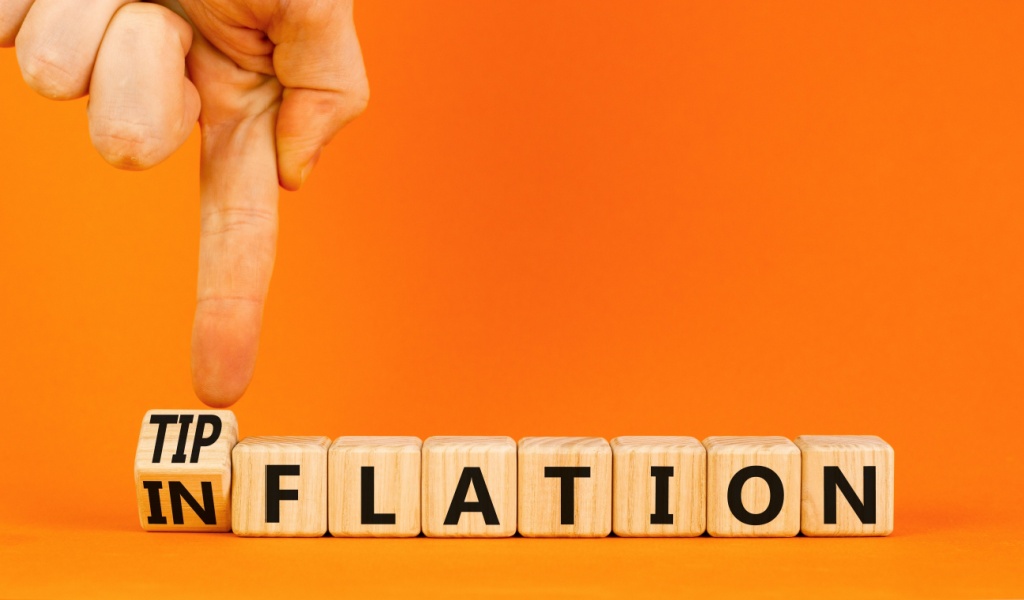
So, what exactly is tipflation, and what is the best way of dealing with it without feeling guilty? Let’s find out.
Tipflation: What Is It?
Tipflation is the increasing expectation to tip in more places and more frequently than in the past. Not only does this include higher tip amounts, but it also means being requested to leave gratuity for services that were not customarily required.
Today, coffee shops, bakeries, food trucks, self-checkout kiosks, and even stores where you pick up your order ask for a tip. Digital payment screens have made tipping a lot easier, but they have also made it harder to avoid the awkward question: “Would you like to leave a tip?”
Reason for the Growing Tipflation?
Several factors have fueled this trend. During the COVID-19 pandemic, many customers tipped more generously to support workers whose salaries were affected. As companies embraced digital payment systems, tipping prompts became a common feature of the checkout process. Even after life resumed as usual, those prompts and the higher recommended percentages stayed.
Currently, many payment terminals require tips of at least 20% or more before you can complete the payment. Because the employee is often standing close by, customers may feel under pressure to leave a tip instead of selecting “No Tip.”
The Problem with Fatigue from Tipping
Because tip requests appear everywhere, many people experience tipping fatigue. This occurs when persistent tipping expectations become mentally and financially draining.
Often, customers ask themselves:
- If I serve myself, is a tip still necessary?
- Should I leave a tip when ordering takeout?
- Will skipping a tip be considered impolite?
The lack of a straightforward answer naturally makes the experience frustrating. Rising living costs further complicate the problem, making people reconsider before adding more money to every purchase.
Keep the Workers in Mind
It is important to keep in mind that many service workers depend on tips to supplement their income, even though tipflation can be bothersome. Gratuities often account for a significant part of a worker’s pay in service establishments, such as restaurants, food delivery services, and bars.
In most cases, when a payment screen requests a tip, employees have no control over it. The company often sets up those settings or the payment software, and the worker standing behind the counter has nothing to do with it.
Ways to Handle Tipflation Smartly
The good news is that your spending doesn’t have to be determined by every payment screen. Here are a few doable strategies to help you stay in control.
Decide On A Tip Budget
Treat tips like any other expense. Decide how much you’re comfortable spending each month so unexpected requests don’t throw off your finances.
Know When You Should Tip
Full-service restaurants, delivery drivers, hairstylists, and bartenders normally rely on such tips. In contrast, tipping is generally not required in retail stores, self-service counters, or automated kiosks.
Tips Based On Service
If someone provides exceptional service, giving a generous tip is a thoughtful way to express gratitude. But in the case of minimal service, don’t feel obligated to select the highest percentage just because it appears on the screen.
Turn Off The Pressure
Digital payment screens can make you feel uncomfortable when selecting “No Tip,” but keep in mind that you always have that option. Take a moment to consider the service you received, and then make the decision that feels best for you.
Use Other Ways To Show Appreciation
Remember, being kind doesn’t necessarily cost money. A compliment to a manager, a genuine “thank you,” or a favorable online review can brighten someone’s day just as much as a tip.
Tipping Is Not the Same Everywhere
Tipping rules aren’t the same everywhere you go. While tipping can be expected in some countries, it could be rare or even discouraged in others. By becoming aware of local norms before you travel, you can avoid awkward situations and show respect for different cultures.
Final Thoughts
Many people currently view tipping differently as a result of tipflation. While it’s completely normal to want to support hardworking employees, it’s equally important to protect your personal finances. Instead of responding to every payment alert, make thoughtful decisions.
Tip whenever it’s necessary, reward exceptional service, and do not let guilt dictate your actions. Tipping should not be something you feel forced to give, but rather a genuine way of saying “thank you.”
By understanding tipflation and planning ahead, you can find the right balance between generosity and smart spending.