One of the most significant decisions you will make in your life is buying a home. There are many factors to consider before making such an important decision — the location, price, size, and potential of the property are just a few key considerations. But have you thought about the age of the house you wish to buy? Is it true that a new home has better value? Or is the opposite true, where old houses are more long-standing?

Frankly, there is no correct answer. It all comes down to each person’s personal preference, and both new and old houses have their fair share of advantages and drawbacks. So, how do you decide which one is better?
Let’s take a quick dive into the pros and cons of new houses vs old houses so you can make a well-informed choice about which one is better suited for your preference.
What Is The Difference In A New House And An Old House?
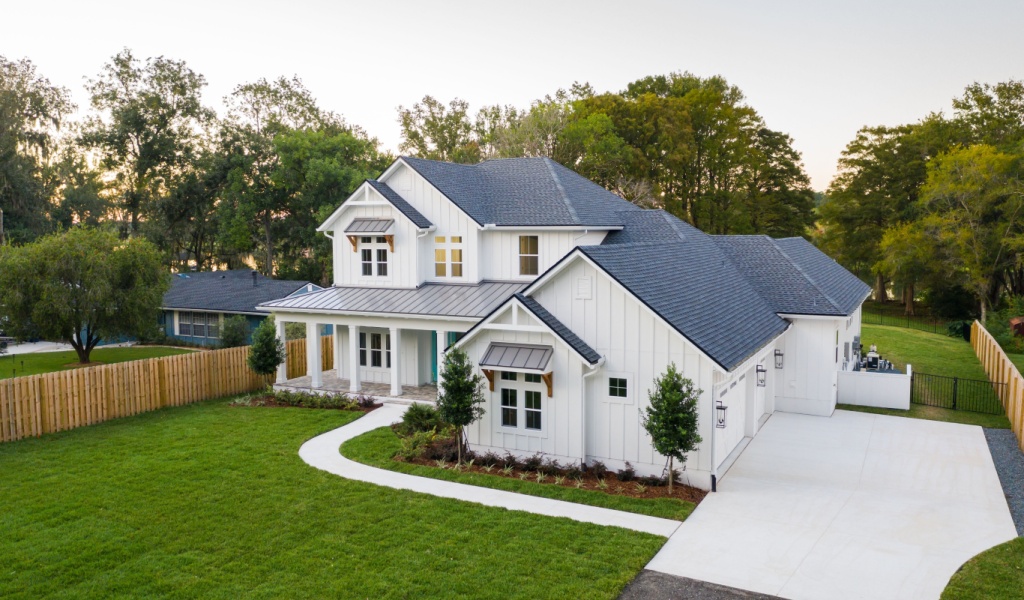
New houses are generally more modern, energy-efficient, and have lower maintenance requirements. However, they are more expensive. On the other hand, old houses are often in established neighborhoods and have a unique architectural charm.
New houses feature an eye-catching contemporary layout, making them ideal for today’s lifestyle. With features such as smart technology, energy-efficient systems, and open-concept kitchens connected to family rooms, new homes prioritize convenience and efficiency, resulting in lower utility bills over time.
Moreover, new houses typically require fewer repairs and less heavy maintenance work compared to old houses. This is one of the primary reasons people prefer new homes.
On the other hand, old houses are unique in their architectural attributes, and the history behind them adds a layer of depth and character to the house, qualities that are rarely found in new houses. People with an interest in history often prefer old houses, and it’s easy to see why. Old houses usually feature intricate and elaborate detailing that adds charm and character to their interiors. The craftsmanship of these buildings speaks its own story, and living in an old house would quite literally feel like slipping back in time and slowing down.
Older houses are often located in well-established neighborhoods, offering a sense of community that new developments tend to lack.
Pros Of Buying A New House
- In today’s modern living standards, new houses offer plenty of benefits that are tailored to make life more convenient in every aspect. Its spacious layouts, open-concept kitchens, and family rooms foster a connected and social environment. Moreover, new homes are often equipped with modern amenities, such as swimming pools and fitness centers, allowing people to experience luxury and convenience.
- New homes place a strong emphasis on energy efficiency, and these systems can be beneficial in reducing utility bills while ensuring year-round comfort. Moreover, these energy-efficient systems offer a better return on investment. They also tend to come with warranties on energy-efficient appliances.
- Moving into a new home typically means fewer renovations and repairs. This can be a massive relief for homeowners because it means they are unlikely to have to undertake any costly projects after moving in.
- Moving into a new home means you can customize it to suit your preferences. From being able to choose your own paint colors, floor plans, and appliances to whether the house should be carpeted or tiled, it’s all up to you.
Cons Of Buying A New House
- The convenience and modern layouts of a new home come with a price tag. New homes are more expensive and may not be an option for those who are conscious of staying within a budget.
- New homes often incorporate sleek construction and architectural trends, which may not appeal to everyone. So those who appreciate the unique charm and intricate details of old houses may find that new homes lack depth and character.
- There will hardly be any room to negotiate when shopping for a new home. Since the builder or developer expects the project to be profitable, they would not be willing to reduce the list price. Moreover, every new upgrade will be costly, especially in the current market environment.
Pros Of Buying An Old Home
- Old homes often feature original fixtures, intricate woodwork, and detailed landscaping, all of which add depth of charm and character.
- Often situated in established neighborhoods, these communities provide a warm and inviting environment for their residents. Older houses frequently feature large outdoor spaces, making them ideal for gardening and recreational activities.
- Investing in older homes can lead to substantial appreciation, particularly if the house is located in a desirable neighborhood. Historic charm and unique features aside, many people prefer buying old homes because they add long-term value to their investment.
Cons Of Buying Old Homes
- Since older homes have likely undergone previous renovations, significant maintenance costs are associated with buying them. Furthermore, the outdated electrical systems, HVAC units, and plumbing systems would generally require attention, adding to further inconvenience and costs.
- Old homes are often plagued by termite infestations, mold, mildew, and various other structural issues, primarily due to common foundation problems found in older houses. Consequently, this can lead to significant stress and unexpected expenses for homeowners.
Final Thoughts
So, old house or new house? Which one is better?
Well, it all comes down to weighing your options. Both old and new houses offer their own unique benefits as well as challenges. Regardless, when you decide to buy a home, you need to put in a lot of hard research into it. A great deal of patience needs to be put into the process as well, and since it will be somewhat overwhelming, enlisting the help of a real estate agent will allow you to identify what you need in your new property and how best to go about finding the ideal home.