Imagine dining out; the table is full of pricey food, someone suggests another round of drinks, and you feel anxious as your wallet aches. You didn’t plan to spend this much, but saying no feels awkward. So you smile, agree, and swipe your card. This experience is just one example of the subtle world of financial peer pressure, where the desire to fit in can quietly drain your bank account.
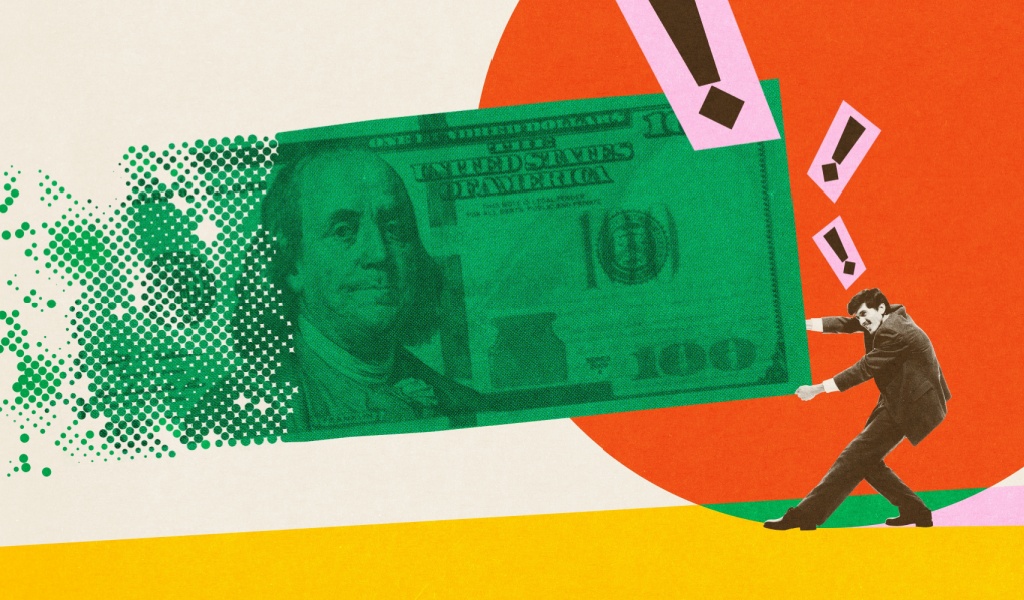
These influences reach far beyond group dinners. In fact, most financial decisions are impacted by those around us—friends, social media, family customs, and even beliefs picked up over time. Recognizing these effects helps you regain control and still enjoy your social life without financial stress. Next, let’s examine exactly how financial peer pressure takes hold.
Financial Peer Pressure: What Is It?
Financial peer pressure happens when people around you sway your spending, saving, or money management—often pushing you toward choices that don’t fit your finances.
It can look like:
-
Purchasing fashionable things just to keep up.
-
Accepting expensive dinners, you can’t afford
-
Overspending on presents or events out of obligation
The desire to keep up often motivates us. Experts claim people feel compelled to match peers’ lifestyles, even when it strains their finances.
The tricky part is that it doesn’t always feel like pressure. Occasionally, it seems like ordinary life.
Why Is It So Difficult to Resist?
You’re not alone if you’ve ever asked yourself, “Why is it so difficult to say no?”
People are wired for connection and naturally want to feel accepted and appreciated by their social circles. Add to that the dopamine boost from new purchases, and it’s a strong mix.
Additionally, there’s also the emotional layer:
-
Fear of missing out
-
Fear of falling behind
-
Fear of being judged
Over time, these pressures can lead to overspending, debt, and even ongoing financial worries.
Hidden Signs You’re Being Influenced
Financial peer pressure seldom announces itself loudly. Rather, it shows up in subtle, daily moments. Signs that you’re being influenced are:
Continuously Comparing Your Life with Other People
Social media often shows everyone traveling, upgrading, and thriving. That comparison powers the urge to spend just to fit in, and constant exposure to curated lifestyles can trigger FOMO, leading to rash spending decisions.
Spending for Reputation, Rather Than Needs
Buying things just to seem successful or fit an image? That’s peer pressure at work. Spending may become a way to show off rather than to meet actual needs.
Finding It Difficult to Say No
If turning down a plan makes you feel like you’re disappointing people—or worse, risking your social standing—that’s a warning sign.
Disregarding Your Budget
If your social life keeps taking priority over your budget, it’s time to ask yourself who’s actually in control—you or outside pressure.
Regretting Purchases Later On
Impulse spending often leads to regret. That ‘Why did I buy this?’ feeling shows the choice wasn’t fully yours.

Smart Strategies That Can Avoid Financial Peer Pressure
You don’t have to ditch your friends to avoid financial peer pressure. You just need smarter tactics.
Establish Clear Financial Goals
You need clear financial goals to hold onto when facing pressure.
Think:
-
For what purpose am I saving?
-
What is more important: this dinner or my long-term objectives?
When you know what matters most to you, it’s easier to say no to things that don’t fit. Tracking your spending helps you stay on track and make choices that align with your goals.
Reduce Social Media Exposure
If social media makes you feel like you’re always behind, it may be time to hit pause.
Social platforms sell a lifestyle—and often, to make you buy in. Limiting exposure can help curb urges to overspend.
Pause Before Spending
Hasty spending thrives on urgency. So, slow down. Think twice before spending unnecessarily, and try a 24-hour rule before purchasing non-essentials.
Even a short pause can help you go from emotional spending to considerate decision-making.
Say No Gracefully
This is your financial superpower. A kind but firm ‘I’ll pass’ is enough. No explanations needed.
Keep in mind that sincere friendships aren’t built on how much you spend; they’re built on connections.
Recommend Alternatives
Instead of directly refusing, you can say, “How about doing this instead?”
Swap:
-
Fancy dinners to home-cooked food
-
Costly outings to beach days or movie dates
-
Expensive foreign trips to local adventures
Entertainment doesn’t have to be costly. Sometimes, it’s even better when it’s simple.
Allocate Some Money for Social Activities
Cutting out spending entirely isn’t practical. Instead, designate a specific amount for social fun. This approach allows you to enjoy yourself, maintain financial health, and resist pressure.
Be Open About Your Budget
Let your friends know the truth:
-
“I’m trying to save up. Can we do something economical this month?”
-
“I’ll join, but I’m sticking to a smaller budget.”
True friends will understand your honesty. Being open lowers pressure and can make plans affordable for everyone involved. Prioritize open communication for better outcomes.
The Hidden Truth
What most people don’t know is that many of the people you feel pressured to “keep up with” may also be having financial difficulties. What you see can be deceiving. Behind the scenes, that friend who has the latest iPhone or takes regular vacations can be struggling with debt.
Understanding that others may also be struggling makes it easier to focus on your own financial path. The takeaway: Walk your own journey and don’t get caught in unhealthy comparisons.
Changing Your Perspective About Money
One of the most effective changes you can make is to stop considering money a tool for fitting in; instead, see it as a tool for freedom.
When you manage your finances intentionally:
-
You take control
-
You create a future on your own terms.
-
Your stress becomes less.
Financial success isn’t about glamour, but security, confidence, and your objectives. That’s what matters long-term.
Conclusion
From group chats to hangouts, financial peer pressure is everywhere. It’s subtle, emotional, and convincing. However, once you recognize it, you can step back and think to yourself: “Is this decision actually mine?”
Because ultimately, your financial journey is only yours. Not your friends’, not social media’s, not society’s. And the real flex isn’t about keeping up with others, but about creating a life you can truly afford.