Imagine stepping into your office in 2026, greeted not by a traditional workspace but by a dynamic environment equipped with cutting-edge technology and AI-driven systems. As we enter this era, the nature of work is evolving at an unprecedented pace. Driven by shifting business demands, emerging technologies, and global transformations in work practices, the skills employers value are being continually reshaped.
Whether you’re starting out, seeking new opportunities, or future-proofing your abilities, knowing these essential skills keeps you competitive. These 12 skills blend technical expertise with vital human strengths workplaces need.
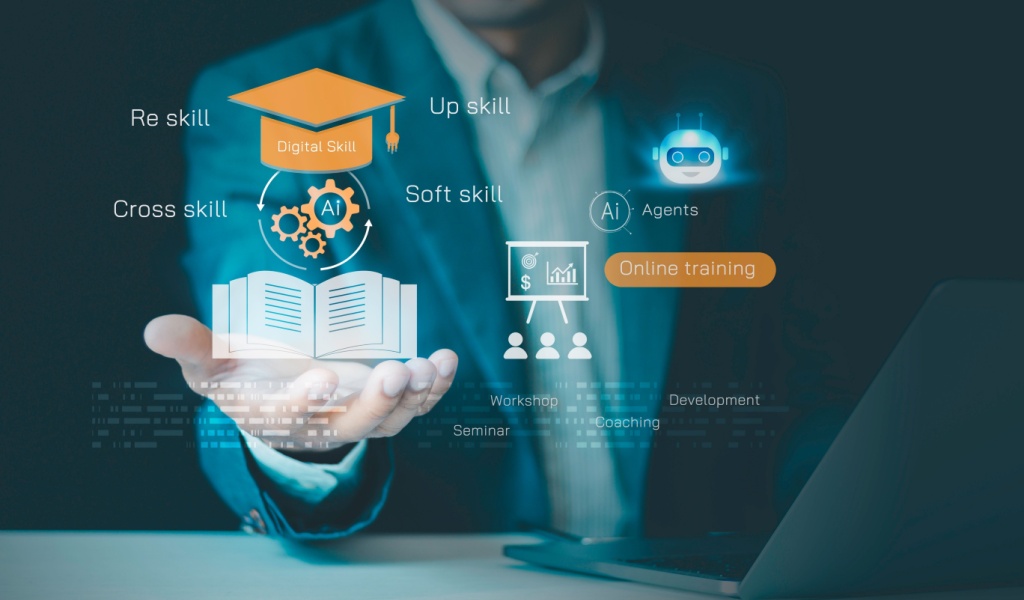
Generative AI and Machine Learning
AI is a fast-growing field, especially in generative AI and machine learning. Businesses adopt AI tools to analyze data, automate tasks, and generate insights. World Economic Forum data predicts AI jobs will grow 40% in the coming years, highlighting strong demand for professionals who understand, build, or implement AI.
For you, this growth means expanding your skills to meet market demand is essential. Consider starting with an entry-level AI or machine learning course to position yourself at the forefront of this technological wave.
- Generative AI modeling.
- AI data annotation and machine learning support.
- Data visualization and knowledge representation.
Professionals with such skills could help build AI-powered applications for business operations, lead teams that develop intelligent product features, or refine algorithms to deliver better results.
Data Science and Analytics
Data is becoming a central component of business decisions across many industries. Companies need staff who can collect, interpret, and draw meaningful conclusions from data.
Think of data science as the art of swiftly answering questions like, ‘Why did sales dip yesterday?’ This ability to connect data-driven insights to daily business decisions sharpens its relevance. Skills in data science and analytics help businesses predict trends, understand customers, and make better decisions.
In-demand skills generally include:
- Data analysis and interpretation.
- Data visualization.
Jobs such as data analyst, business intelligence specialist, and data scientist require these skills.
Cybersecurity
As digital systems become increasingly essential to business operations, the risk of cyberattacks also increases. Organizations require professionals who can protect systems, networks, and data from breaches.
As cybersecurity touches all industries, workers with these talents will probably be in high demand. Cybersecurity encompasses many tasks, from risk detection to defense implementation. Expertise protects confidential data and maintains trust.
Digital Marketing and Online Communication
Even in a tech-driven world, brands must connect with customers. Digital marketing helps reach audiences, promote products, and build communities.
Important digital marketing skills include:
- Social media advertising
- Search engine optimization (SEO)
- Online and email campaign management.
Professionals who master these skills help businesses increase visibility and engagement in competitive online markets.
Project Management
Complex projects require coordination and careful timelines. Project management skills are valued across industries for delivering results efficiently.
People with strong project management skills are capable of:
- Leading cross-functional teams.
- Resource management.
- Resolve challenges fast.
Therefore, project managers are necessary in certain industries for business operations and technology.
Adaptability and Continuous Learning
The ability to adapt and pick up new skills is itself a career skill. With new tools, working methods, and job requirements appearing regularly, professionals who learn continuously and adapt quickly are more likely to succeed.
This approach includes:
- Staying open to new tools and techniques.
- Taking on new challenges.
- Increasing proficiency through courses and practice.

Emotional Intelligence and Communication
Not all vital skills are technical. Emotional intelligence means understanding your own and others’ emotions—key to collaboration, leadership, and conflict management. As workplaces globalize, demand grows. Alongside EQ, strong communication builds relationships and aligns teams. These abilities benefit nearly every role.
Creative Thinking and Problem-Solving
Even with advanced AI tools, businesses need critical and creative thinkers to solve problems where standard approaches don’t work. While AI excels at data analysis and pattern recognition, it still struggles with tasks that require original thinking, complex storytelling, and nuanced understanding of human emotions, areas where human creativity and intellect shine. Creative thinking brings innovation and new strategies that move businesses forward and enable workers to adapt and contribute strategically.
Leadership and Transformational Skills
Leadership skills are valuable for all professionals, not just managers. Transformational leadership, which involves inspiring teams, encouraging growth, and fostering collaboration, is seen as essential in modern workplaces.
Professionals who show leadership:
- Encourage others.
- Navigate challenges.
- Assist teams in achieving goals.
This makes leadership a skill that can elevate careers and bring greater responsibilities.
Technical Web and Software-Related Skills
Despite technological advancements, traditional technical roles remain essential. Skills in web and software development, including full-stack, front-end, and mobile app development, are in strong demand.
Such skills help professionals:
- Form and design digital products
- Combine systems and tools.
- Develop user-focused experiences.
Whether it’s developing enterprise software or creating a website, these skills offer long-term career potential.
Financial and Business Operations Skills
Businesses still require individuals who understand how their companies work behind the scenes. Skills in accounting, bookkeeping, business strategy, and financial modeling support sustainable growth and financial management.
Professionals in such fields help businesses:
- Maintain financial stability.
- Make decisions based on data.
- Make strategic growth plans.
These skills are essential for careers in finance and operations.
High-Income Skills That Combine Tech and Human Abilities
Certain skills sit at the intersection of human interaction and technology and are expected to remain in high demand for many years. According to trend analyses, they include:
- Cybersecurity and cloud security.
- Product management and sales activities.
- Business intelligence and data engineering.
- Communication coupled with strategic thinking
These multidisciplinary skills add significant value as businesses seek professionals who blend tech expertise with leadership, reasoning, and collaboration.
Bottom Line
In 2026 and beyond, workplaces will reward those who blend human strengths with technical skills. Expertise in AI, cybersecurity, data science, and software development opens doors to specialized roles. Communication, emotional intelligence, adaptability, and leadership help professionals excel in organizations.
Future success depends on skills, not just degrees. Embrace learning, master new challenges, and combine technical and soft skills to adapt. Focus on these abilities to build a portfolio for 2026 and beyond.